← Daniel & Kristin's Collection
Roman Provincial — Provincial Bronze (Semis or Quadrans)
Trajan Provincial Bronze — SC in Wreath
AD 98-117
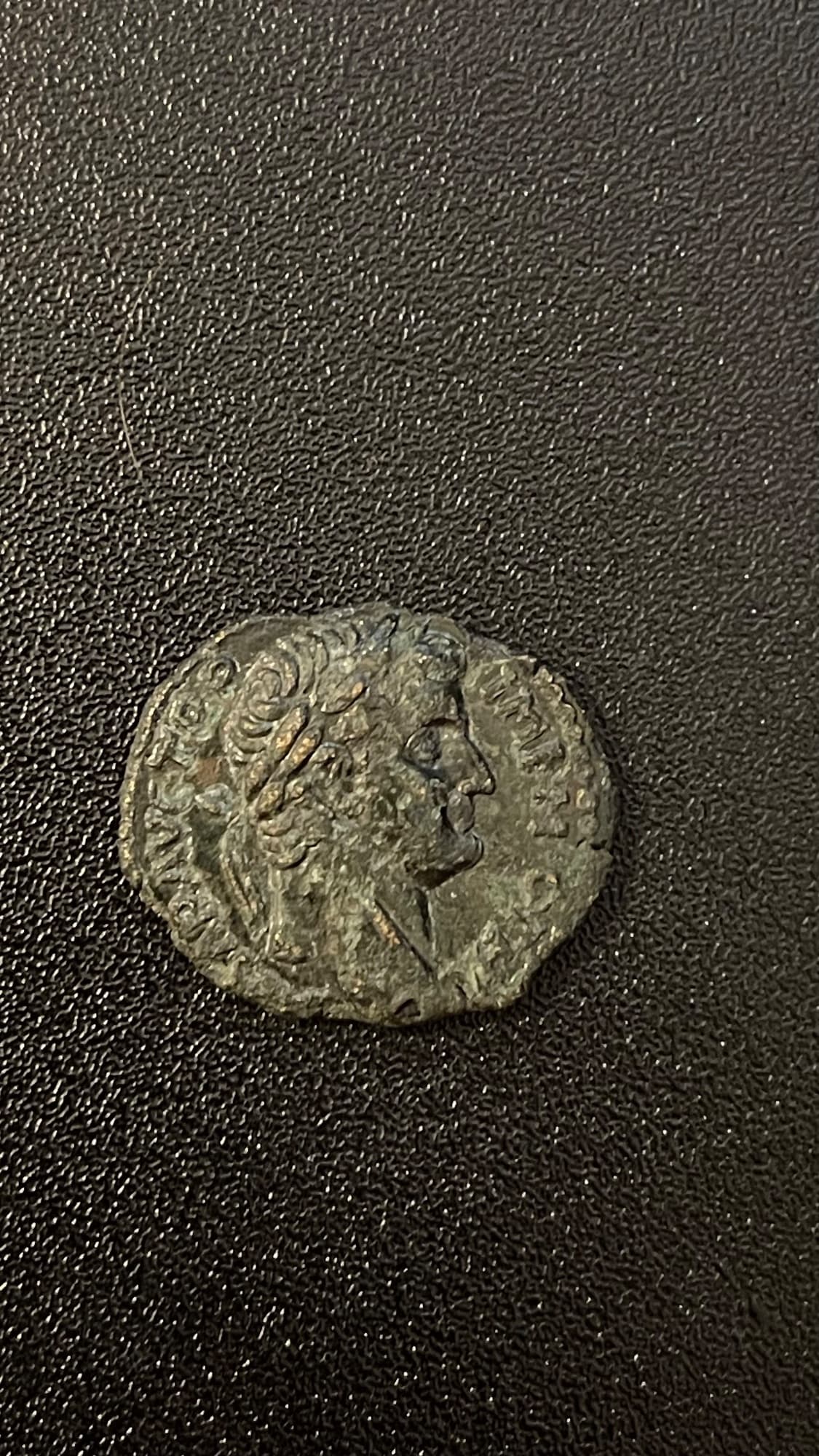
Obverse
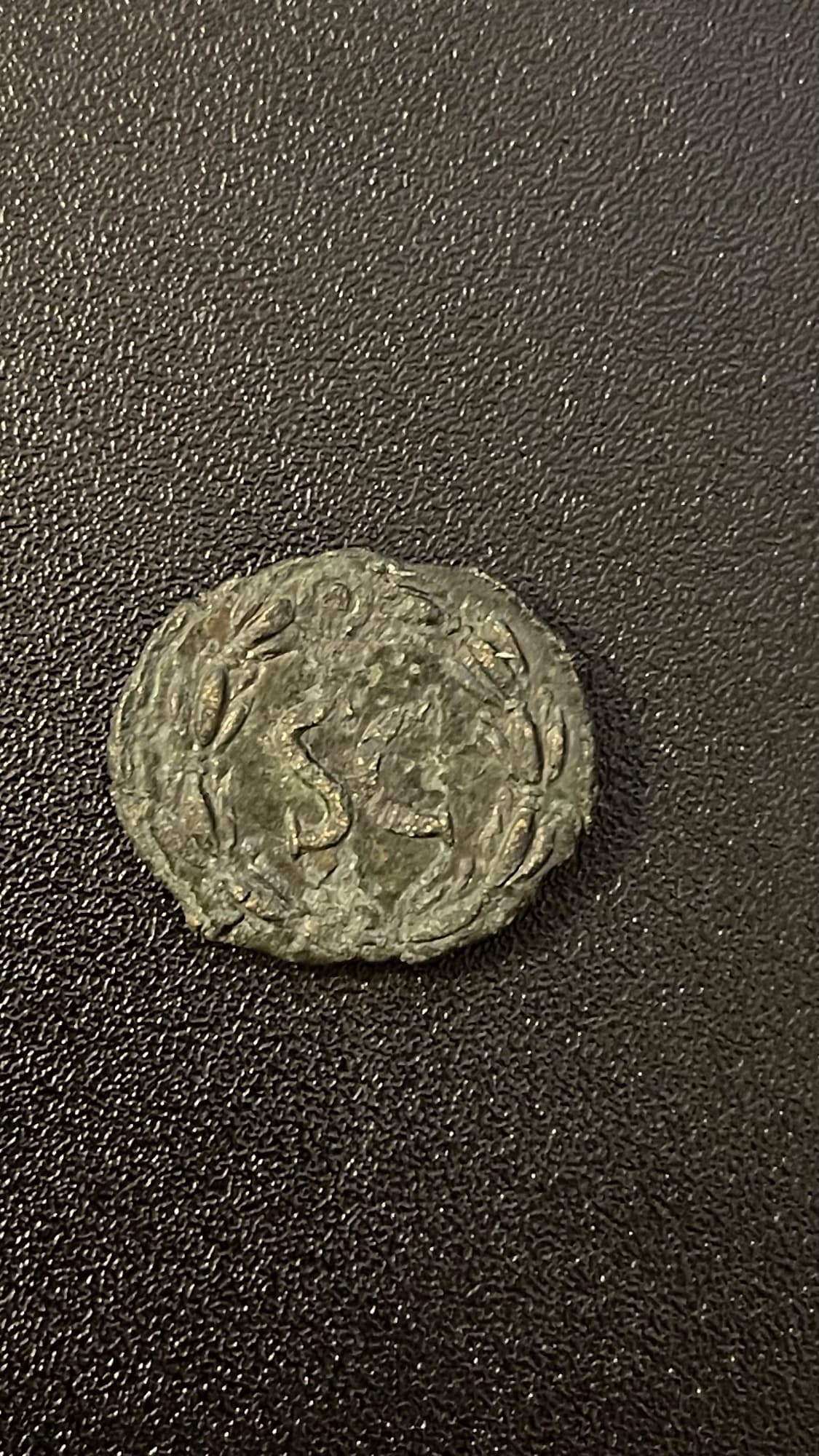
Reverse
The Story
Trajan earned the titles GERMANICUS and DACICUS through successful military campaigns. His conquest of Dacia brought enormous wealth to Rome, including gold from Dacian mines. He built Trajan's Column in Rome, which still stands today, depicting his Dacian Wars in incredible detail. Trajan died in AD 117 while returning from his eastern campaigns. He was deified by the Senate and his ashes were placed in the base of his column — the only person ever buried within Rome's sacred boundary (pomerium).
Historical Context
Roman Empire at its greatest territorial extent
- •AD 101-106 — Trajan's Dacian Wars, conquest of Dacia (modern Romania)
- •AD 113-117 — Trajan's Parthian War, Roman Empire reaches maximum extent
- •Construction of Trajan's Column and Trajan's Forum in Rome
- •Empire stretches from Britain to Mesopotamia (modern Iraq)
Trajan's reign represents the absolute zenith of Roman power. He was so respected that subsequent emperors were wished to be 'more fortunate than Augustus and better than Trajan.'
Symbolism
Obverse
Laureate portrait of Trajan
The emperor as victor and ruler
The laurel wreath was a traditional Roman symbol of triumph
ΓΕΡΜ ΔΑΚ (Germanicus Dacicus)
Conqueror of Germans and Dacians
These victory titles advertised Trajan's military conquests to everyone who handled the coin
Reverse
S C in wreath
Senatus Consulto — 'By decree of the Senate'
Connected this distant provincial mint to Rome's traditional institutions
Laurel wreath
Victory and honor
Traditionally awarded to triumphant generals
Design
Obverse
Laureate head of Trajan facing right
ΑΥΤΟΚΡ ΚΑΙΣ ΝΕΡ ΤΡΑΙΑΝΟΣ ΣΕΒ ΓΕΡΜ ΔΑΚ
Reverse
Large S C within a laurel wreath
S C (Senatus Consulto)
What Could This Buy?
Bronze coinage from Antioch circulated throughout Syria and the eastern provinces as everyday money. These coins handled small transactions — bread, wine, vegetables, ferry tolls, and minor services.
Worth Knowing
- ◈Trajan is one of only two emperors officially titled 'Optimus' (the best)
- ◈His column survives in Rome and depicts over 2,500 individual figures
- ◈Antioch was where followers of Jesus were first called 'Christians'
Origin
Mint: Antioch
Role: Capital of the Roman province of Syria, third largest city in the Empire
One of the great cities of the ancient world — after Rome and Alexandria, Antioch was the most important city in the Empire. It served as the main administrative center in the East and sat at the western terminus of the Silk Road, where trade routes connected the Mediterranean to Mesopotamia, Persia, India, and China.
Office: Provincial mint officials at Antioch
Details
MaterialBronze
Weight~4-14g (variable)
PeriodHigh Roman Empire
EraNerva-Antonine Dynasty
ReferenceMcAlee/Sear Greek Imperial 1078
StyleSyrian provincial