← Daniel & Kristin's Collection
Roman Republican — Denarius
L. Sempronius Pitio Denarius
148 BC
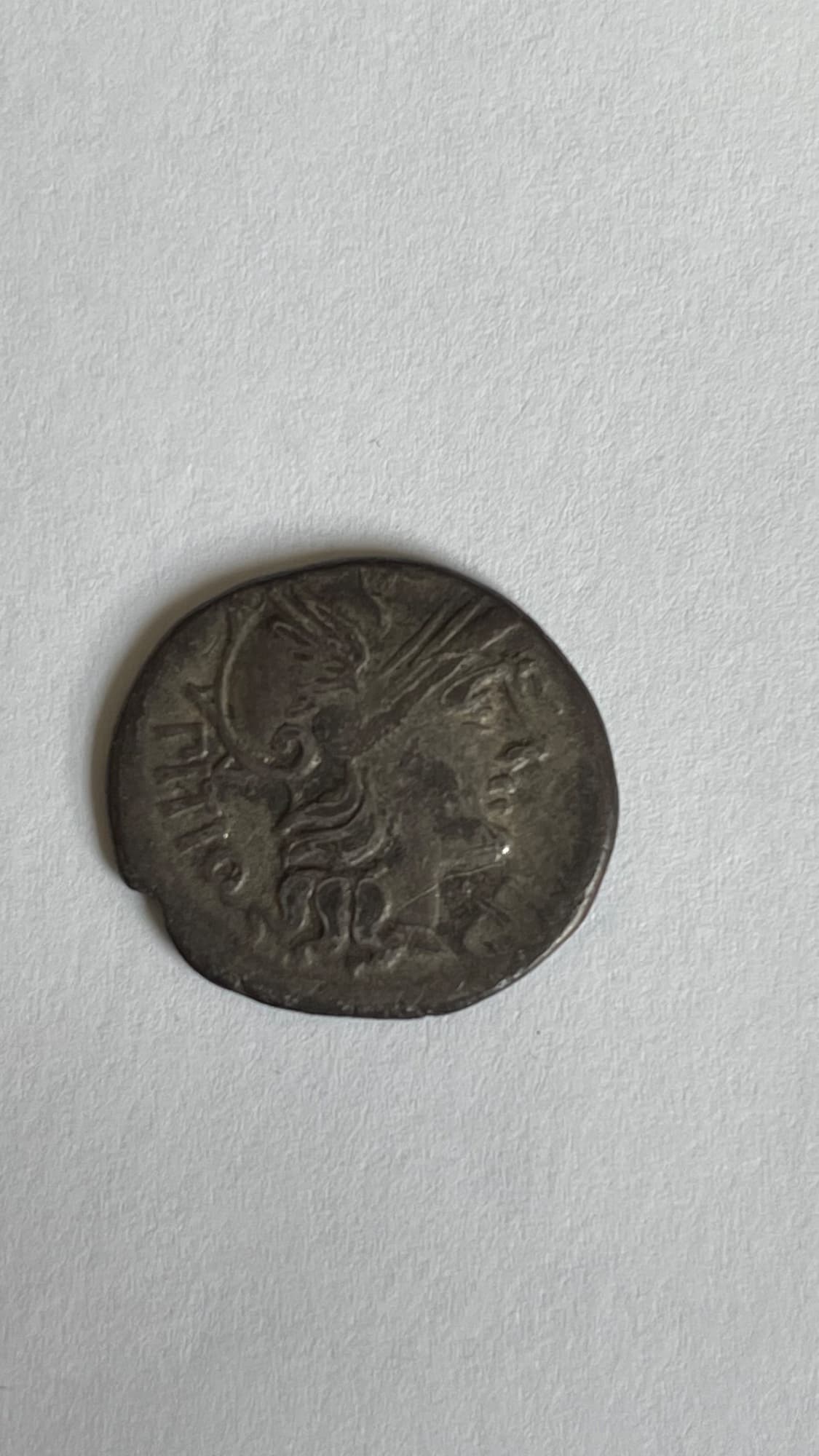
Obverse
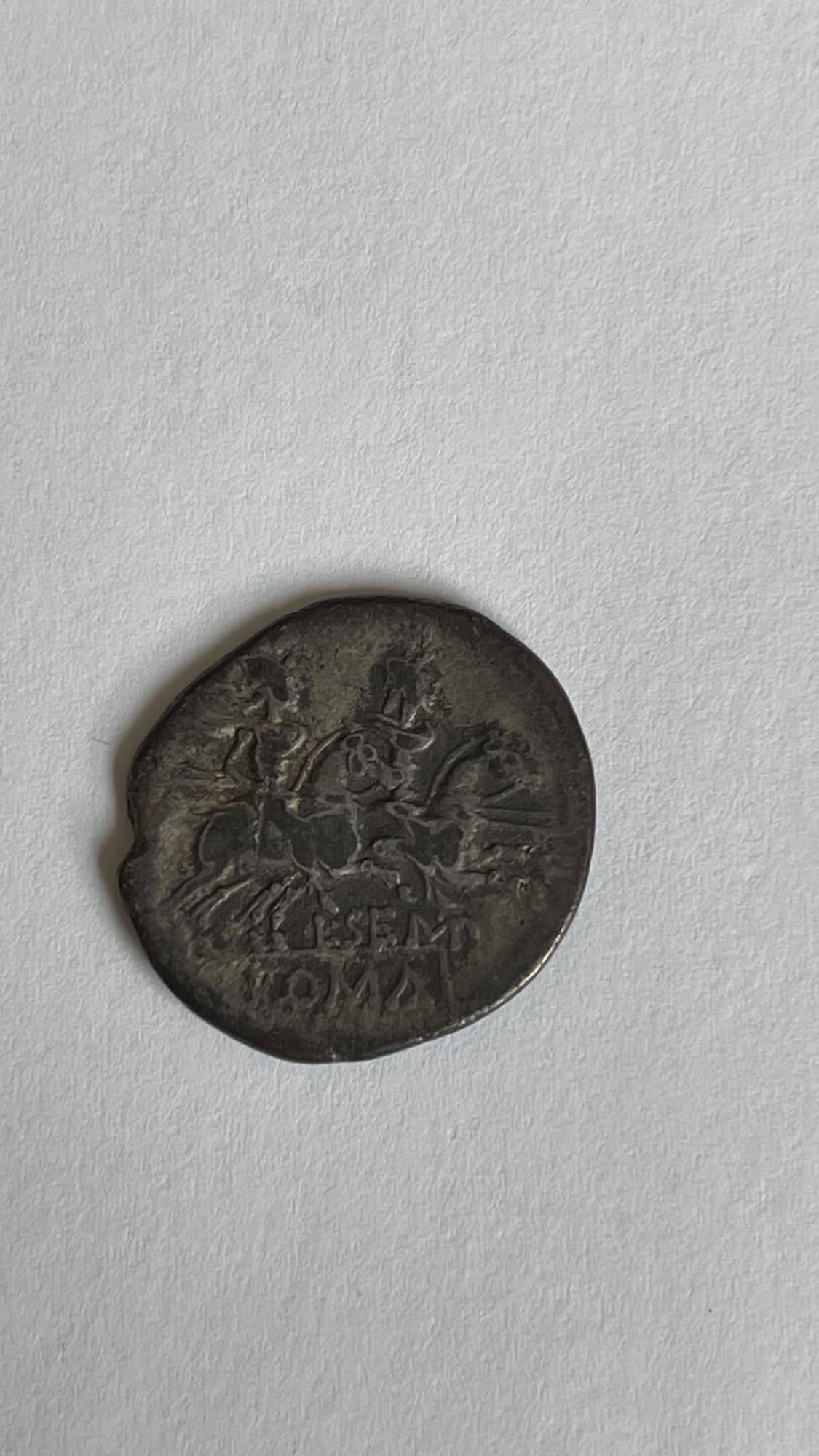
Reverse
The Story
This coin was struck during one of the most transformative periods in Roman history. In 148 BC, Rome was completing its conquest of Greece — the very year this coin was minted saw the destruction of Corinth and the final subjugation of Macedonia. The Roman Republic was rapidly transforming from an Italian power into the dominant force of the Mediterranean world. Within two years, Carthage would also be utterly destroyed, leaving Rome without rivals.
Historical Context
Rome completing conquest of Greece, destruction of Corinth
- •Third Punic War ongoing (149-146 BC) — Rome's final war against Carthage
- •Fourth Macedonian War concluding — Macedonia becomes Roman province
- •Destruction of Corinth (146 BC) — Greece fully subjugated
- •Rome transforming from Italian power to Mediterranean superpower
This coin circulated during Rome's transformation into the dominant Mediterranean power, when the Republic was conquering both Carthage and Greece simultaneously.
Symbolism
Obverse
Roma
Personification of the Roman state — warlike, vigilant, divine
The winged helmet symbolizes victory and divine protection. Roma was worshipped as a goddess throughout the Roman world.
X value mark
Denomination mark indicating 10 asses
The denarius literally means 'tenner' in Latin. This X mark would soon become obsolete when the denarius was revalued to 16 asses around 141 BC.
Reverse
Dioscuri (Castor and Pollux)
Divine twin patrons of the Roman cavalry and symbols of victory
According to legend, these divine twins appeared at the Battle of Lake Regillus (496 BC) fighting alongside the Romans. Their temple in the Roman Forum was a landmark of the city.
ROMA in exergue
Identifies the issuing authority as Rome
Standard on Republican coinage, asserting Roman sovereignty
Design
Obverse
Helmeted head of Roma right, wearing winged helmet
PITIO, X below chin
Reverse
The Dioscuri (Castor and Pollux) galloping right on horseback, each holding couched lance
L.SEMP / ROMA
What Could This Buy?
A Roman legionary soldier earned approximately 112.5 denarii per year. This single coin therefore represented roughly 3 days of a soldier's pay. With one denarius, a Roman could purchase about 12 loaves of bread, a day's supply of grain for a small family, or a simple meal at a tavern with wine.
Worth Knowing
- ◈The X mark means 'ten asses' — the denarius literally means 'tenner' in Latin
- ◈Just 7 years after this coin was struck, the denarius was revalued to 16 asses
- ◈Soldiers' cash pay was supplemented by room, board, bonuses, and retirement grants — their wages were essentially spending money
Origin
Mint: Rome
Role: Capital of the Roman Republic
Political, economic, and religious center of the Roman world. The Rome mint was the primary producer of Republican coinage, overseen by elected magistrates.
Moneyer: Lucius Sempronius Pitio
Office: Tresviri monetales (one of three annual mint magistrates)
Ancient plebeian clan that produced consuls since 497 BC. The family included both patrician and plebeian branches, though by 148 BC their political prominence was fading. Very few Sempronii would achieve high office under the later Empire.
Details
MaterialSilver
Weight3.39g
Diameter19mm
PeriodRoman Republic
EraLate Republic
ReferenceCrawford 216/1
Also citedSydenham 402, Sempronia 2
StyleStandard Late Republican denarius