← Daniel & Kristin's Collection
Roman Imperial — Antoninianus
Valerian I Antoninianus — FELICITAS AVGG
AD 255-256
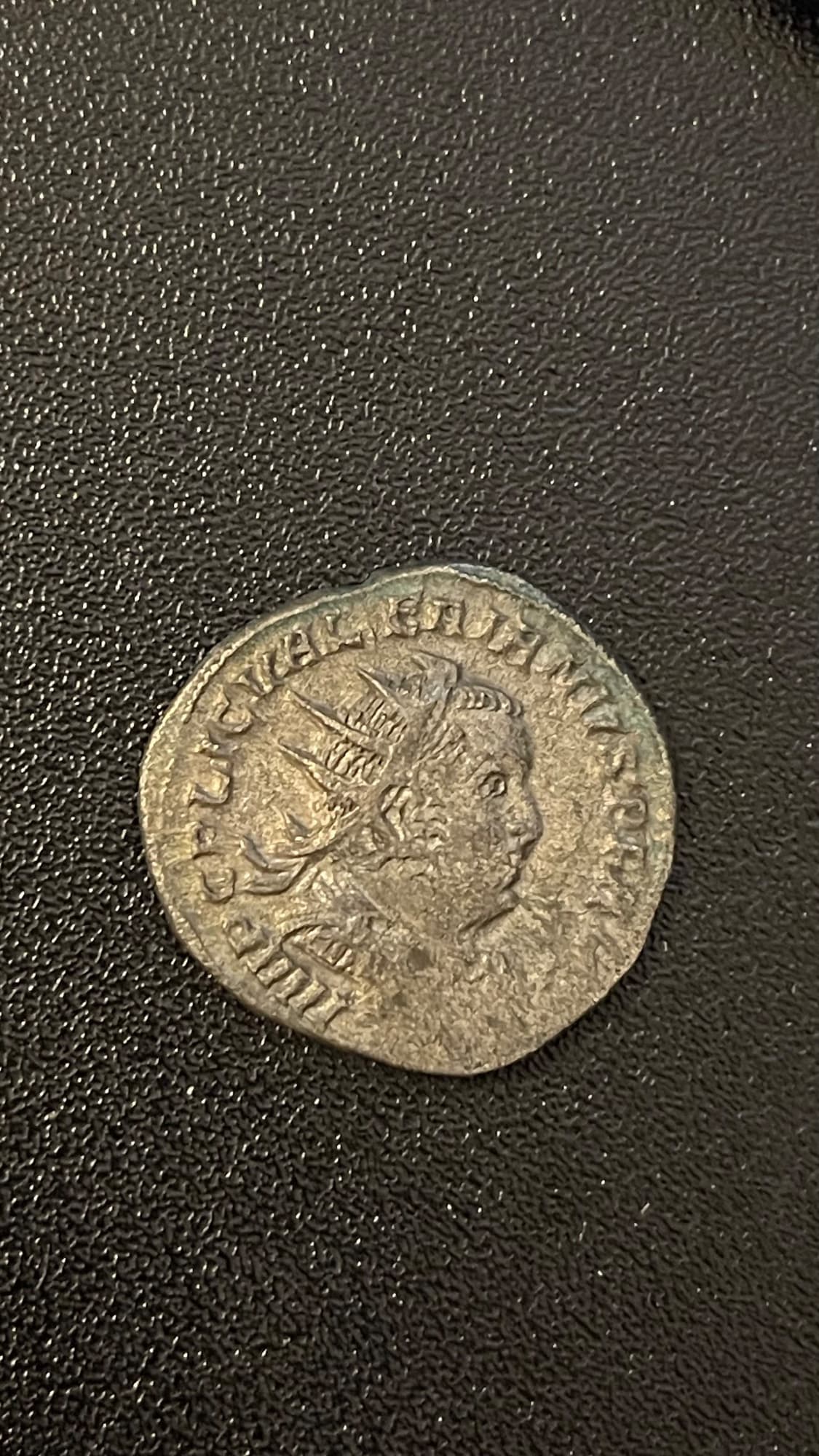
Obverse
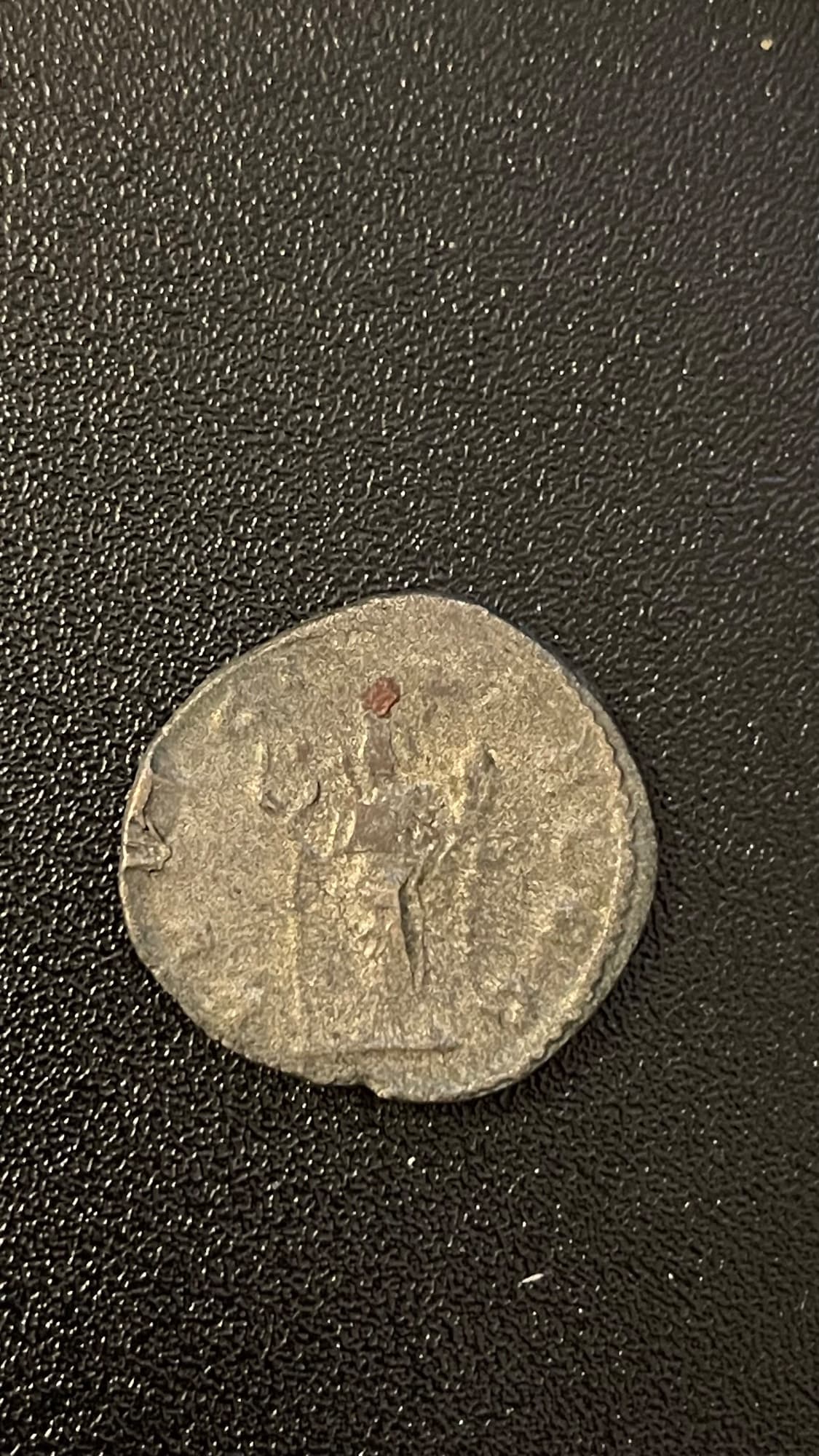
Reverse
The Story
Valerian I holds a tragic distinction in Roman history: he became the first Roman emperor ever captured in battle by a foreign enemy. The period AD 235-284, known as the 'Crisis of the Third Century,' saw Rome nearly collapse under civil wars, plague, and foreign invasions. Valerian led his army east to confront the Sasanian Persian Empire under King Shapur I. After his army was struck by plague, Valerian agreed to negotiate. It was a trap. The emperor was seized at Edessa in AD 260 and spent the rest of his life as a Persian prisoner. According to some ancient sources, Shapur used the captive emperor as a human footstool when mounting his horse. Persian rock reliefs at Naqsh-e Rostam still show Shapur triumphant with Valerian kneeling before him.
Historical Context
Crisis of the Third Century — Rome nearly collapses
- •AD 253 — Valerian becomes emperor, appoints son Gallienus as co-ruler
- •AD 250s — Plague devastates the empire
- •Constant civil wars — over 20 emperors in 50 years
- •AD 260 — Valerian captured by Persian King Shapur I at Edessa
Valerian holds a tragic distinction: he became the first Roman emperor ever captured in battle by a foreign enemy.
Symbolism
Obverse
Radiate crown
Distinguishes the antoninianus (2-denarius piece) from the denarius
The sun-ray crown also associated the emperor with Sol Invictus, the Unconquered Sun
P F (Pius Felix)
'Pious and Fortunate'
Standard imperial epithets
Reverse
Felicitas
Personification of Happiness, Success, and Good Fortune
Bitterly ironic given Valerian's fate — capture and humiliation by the Persians
Caduceus
Herald's staff, symbol of peace and negotiation
Tragically apt — Valerian was captured while trying to negotiate
Cornucopia
Horn of plenty, representing abundance
Standard attribute of prosperity personifications
AVGG (double G)
Two Augusti — indicating joint rule with his son Gallienus
Valerian and Gallienus divided the empire to better defend it
Design
Obverse
Radiate (sun-ray crown) and draped bust of Valerian I facing right
IMP C P LIC VALERIANVS P F AVG
Reverse
Felicitas standing left, holding long caduceus and cornucopia
FELICITAS AVGG
What Could This Buy?
By Valerian's time, the antoninianus had become significantly debased — containing far less silver than earlier issues. Rampant inflation plagued the empire. The coin's face value was increasingly divorced from its metal content.
Worth Knowing
- ◈FELICITAS AVGG ('Happiness of the Two Emperors') is bitterly ironic given what followed
- ◈Shapur I's rock relief showing Valerian's humiliation still exists in Iran today
- ◈This coin contains only 30-40% silver — a sign of economic crisis
Origin
Mint: Rome
Role: Imperial capital
Despite the chaos of the third century, Rome remained the primary mint, though regional mints increased in importance as emperors needed to pay armies quickly.
Office: Imperial mint officials
Details
MaterialBillon (Silver/Bronze)
Weight~3-4g
Diameter20-21mm
PeriodCrisis of the Third Century
EraMilitary Emperors
ReferenceRIC V 87
StyleCrisis-era imperial