← Daniel & Kristin's Collection
Roman Imperial — Denarius
Vespasian Denarius
AD 69-79
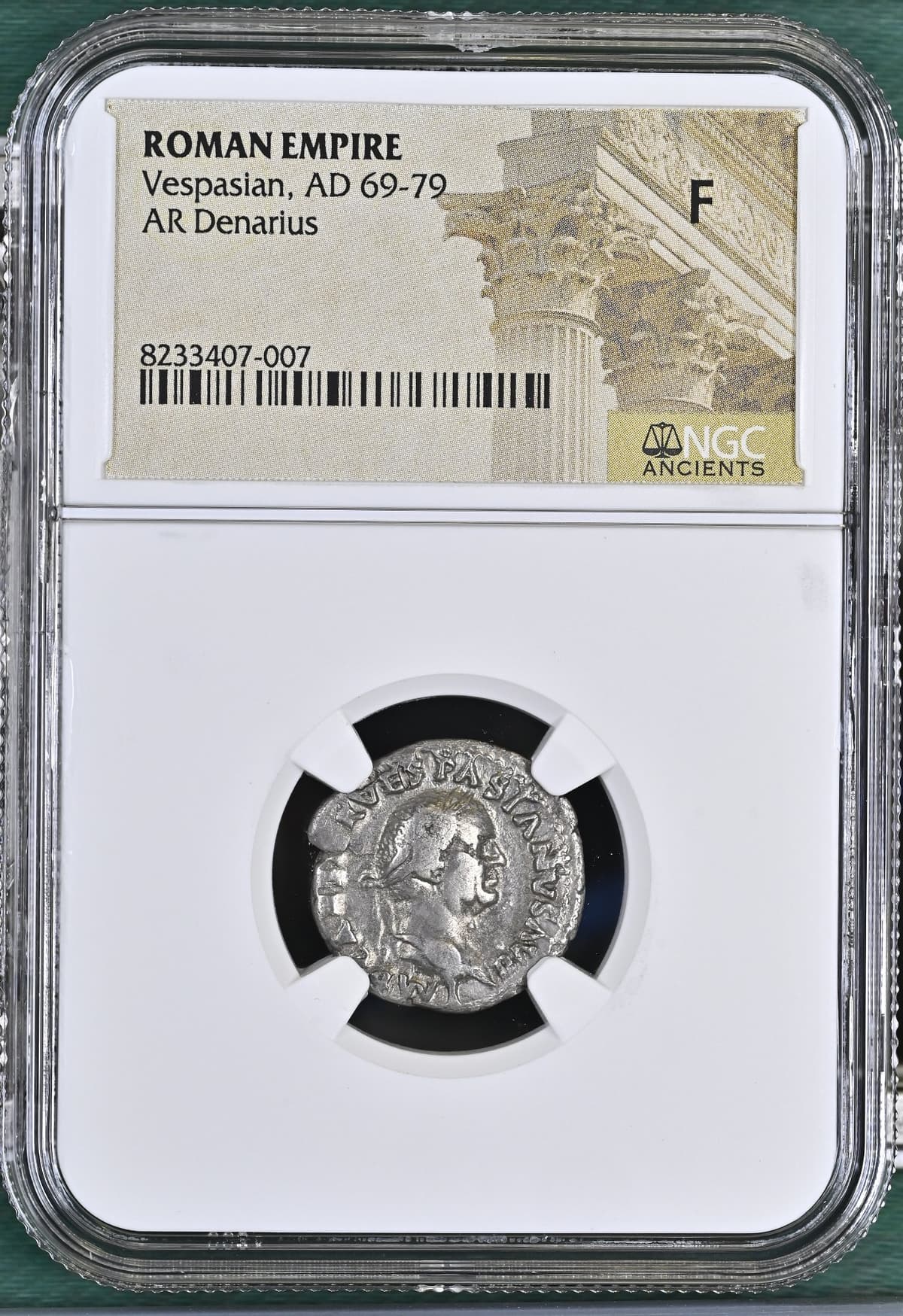
Obverse
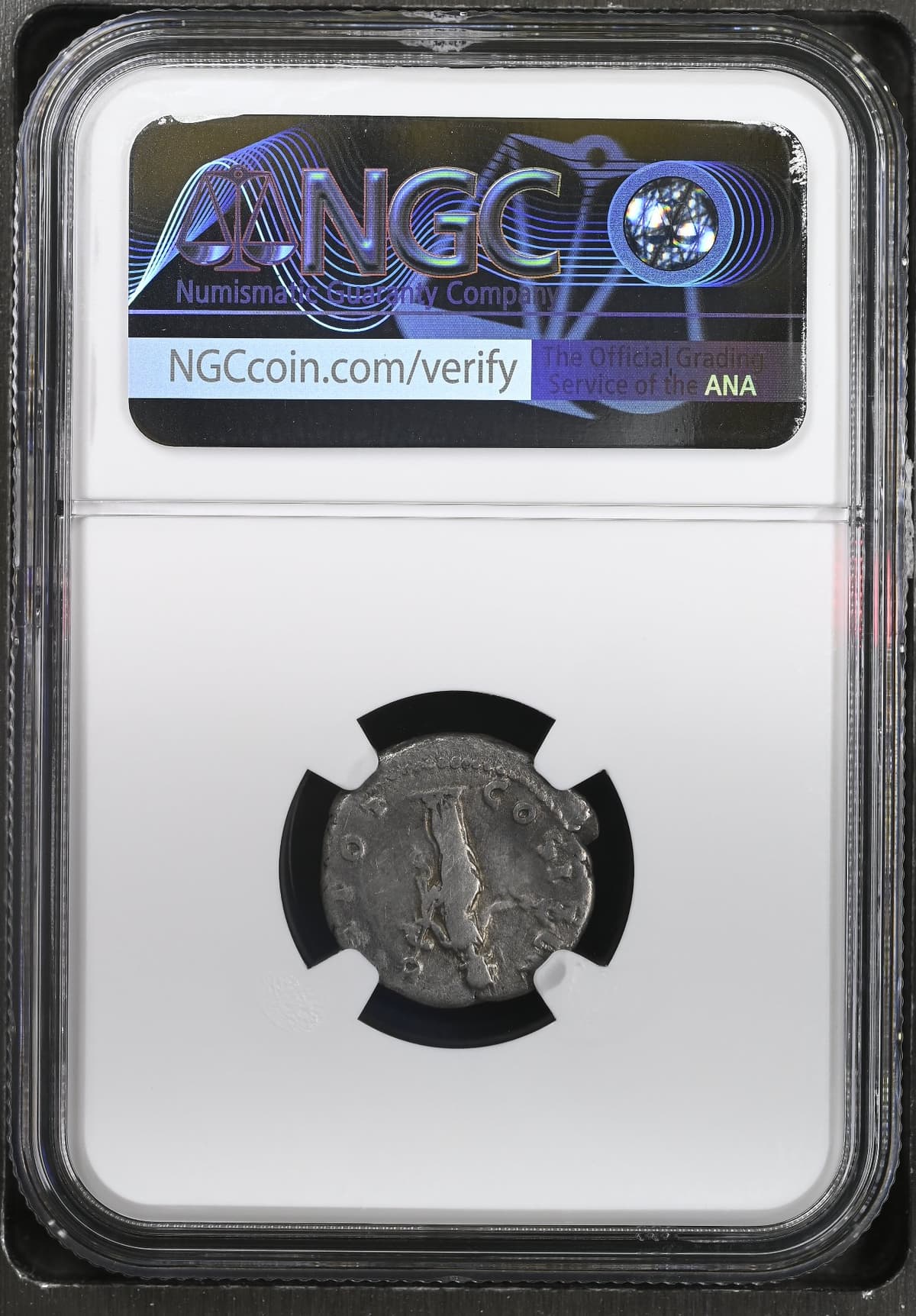
Reverse
The Story
Vespasian is one of Rome's most capable and interesting emperors. After Nero's suicide in AD 68, Rome descended into civil war — the 'Year of the Four Emperors' (AD 69) saw Galba, Otho, Vitellius, and finally Vespasian claim the throne. Vespasian was commanding legions in Judea, suppressing the Jewish revolt, when his troops proclaimed him emperor. A practical military man from a middle-class Italian family (not Roman aristocracy), he restored financial stability after Nero's extravagance. He built the Colosseum — funded by spoils from Jerusalem — as a gift to the Roman people. Famous for his earthy wit, his last words reportedly were 'Dear me, I think I'm becoming a god' (Roman emperors were typically deified after death).
Historical Context
Flavian Dynasty, reconstruction after civil war
- •AD 69 — Year of the Four Emperors, Vespasian emerges victorious
- •AD 70 — Destruction of Jerusalem and the Second Temple by Titus
- •AD 70-80 — Construction of the Colosseum (Flavian Amphitheatre)
- •AD 79 — Eruption of Vesuvius destroys Pompeii; Vespasian dies
Vespasian founded the Flavian dynasty and restored stability after the chaos of AD 69. He was a practical, capable administrator from a middle-class Italian family — a self-made emperor.
Symbolism
Obverse
Realistic portrait
Vespasian's practical, honest character
Unlike some emperors who demanded idealized portraits, Vespasian was shown with his actual features — balding, strong-nosed, thick-necked
Reverse
Standing figures
To be determined from specific type
Vespasian used many reverse types; common ones include deities, victories, and references to Judaea Capta (conquest of Jerusalem)
Design
Obverse
Laureate head of Vespasian facing right
Reverse
Two standing figures
What Could This Buy?
The denarius remained stable under Vespasian after the debasements of Nero. A legionary earned about 225 denarii per year; a laborer perhaps 1 denarius per day.
Worth Knowing
- ◈Vespasian built the Colosseum — its original name was the Flavian Amphitheatre
- ◈His last words were reportedly: 'Dear me, I think I'm becoming a god'
- ◈The Colosseum was funded by treasures looted from Jerusalem in AD 70
- ◈He famously taxed public urinals — when criticized, he said 'Money doesn't smell'
Origin
Mint: Rome (most likely)
Role: Imperial capital and primary mint
Under the Flavians, the Rome mint was reorganized and production increased to stabilize the economy after the chaos of AD 69.
Office: Imperial mint officials
Details
MaterialSilver
PeriodEarly Roman Empire
EraFlavian Dynasty
GradeNGC F (Fine)
Certification8233407-007
StyleFlavian realism